







Sahel States Launch Fraternity Week in Burkina Faso to Forge ‘Firm and Free’ Regional Identity
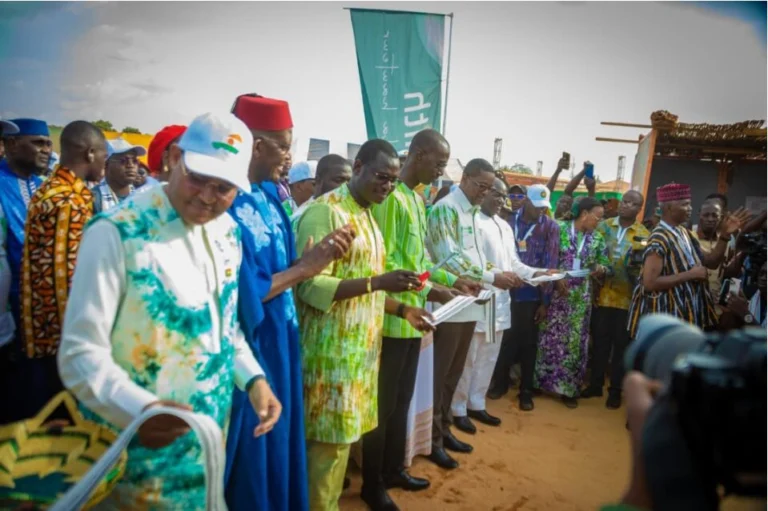
Sahel celebrates the start of Fraternity Week. Photo: National Office of Editing and Press of Niger.
April 28, 2026 Hour: 1:25 am
🔗 Comparte este artículo
Tens of thousands across the Sahel are marking the 22nd edition of National Fraternity Week from April 25 to May 2 in this southwestern Burkinabe city, as the alliances of Mali, Niger and Burkina Faso use cultural festivals, gastronomy and youth digital engagement to advance a shared vision of regional sovereignty, collective identity and resistance to neocolonialism.
The week-long event, held under the banner “building a firm and free Sahel,” is designed as a multi-pronged diplomatic and cultural initiative. Organizers say the activities aim to bridge ethnic and national divides, deepen mutual understanding, safeguard tangible and intangible heritage, and professionalize the region’s cultural and creative industries.
RELATED: African Union Condemns Armed Attacks on Cities in Mali
Beyond symbolic gestures, the initiative seeks to remove barriers to the movement of artists and artworks across Sahelian borders. Young people are being actively recruited to adopt digital tools for participation, creation and innovation, with the goal of transforming culture into a living instrument of shared sovereignty.
Burkina Faso’s Foreign Minister, Karamoko Jean-Marie Traoré, told attendees that the second edition of the Fraternity Week “must be a meeting space for hearts and minds, a framework for dynamic dialogue between artists, policymakers and citizens, a powerful signal to the world of a Sahel that stands firm, united, sovereign and determined to write its own history.”
Speaking on behalf of his regional counterparts, Mali’s Culture Minister, Mamou Daffé, emphasized that culture serves as connective tissue between peoples’ histories. Directing his remarks to the region’s youth, Daffé said: “You are the heirs of a shared history and the architects of a shared future.”
Early events have already drawn significant public engagement. A gastronomic gallery featured dish tastings from different Sahelian countries. Cultural performances, the planting of a “Tree of Fraternity,” and artisan exhibitions showcasing community-produced goods have been central to the opening days.
Organizers noted that booths from Niger drew especially strong crowds, with locally made products impressing visitors as a demonstration of grassroots economic resilience.
The week is scheduled to run through May 2, with additional panels on creative industry regulation and cross-border artist residencies yet to take place.
Author: Victor Miranda
Source: agencies